

Blog
Handmade Crystal Glass Drinkware: 8 Proven Wholesale Tips

This case report from our workshop covers the handmade crystal glass drinkware line — handmade crystal glass drinkware for weddings, hotels, restaurants & bars — with production photos, finish options and wholesale terms.
One factory line, every glass on the table. From champagne coupes to everyday mugs, our handmade crystal glassware ships to wedding planners, hotels, restaurants and bars worldwide. This week’s production run shows just how varied a single drinkware order can be — gold-plated, decal, spray-colored and gold-rim pieces, all on the same line.
Where Our Drinkware Goes
- Weddings — champagne flutes and coupes for toasts, personalized with decals or gold rim to match the theme.
- Hotels & restaurants — tumblers, water carafes and wine glasses built for daily turnover and dishwashers.
- Bars — sturdy highballs and shot glasses, spray-colored sets that pop under bar lights.
- Home — mug and tumbler gift sets, a big seller for holiday and housewarming retail.
Handmade Crystal Glass Drinkware, Made Your Way
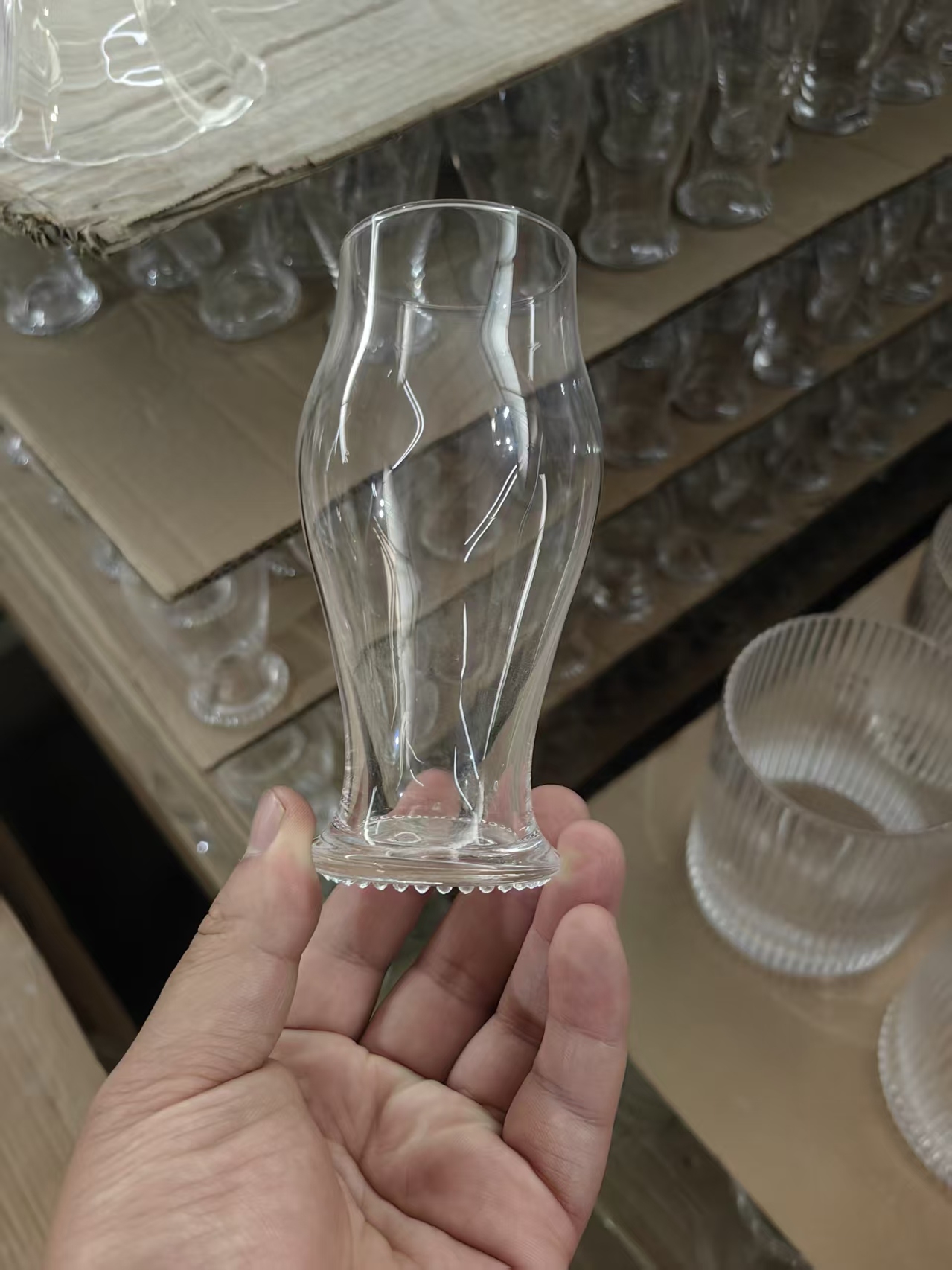
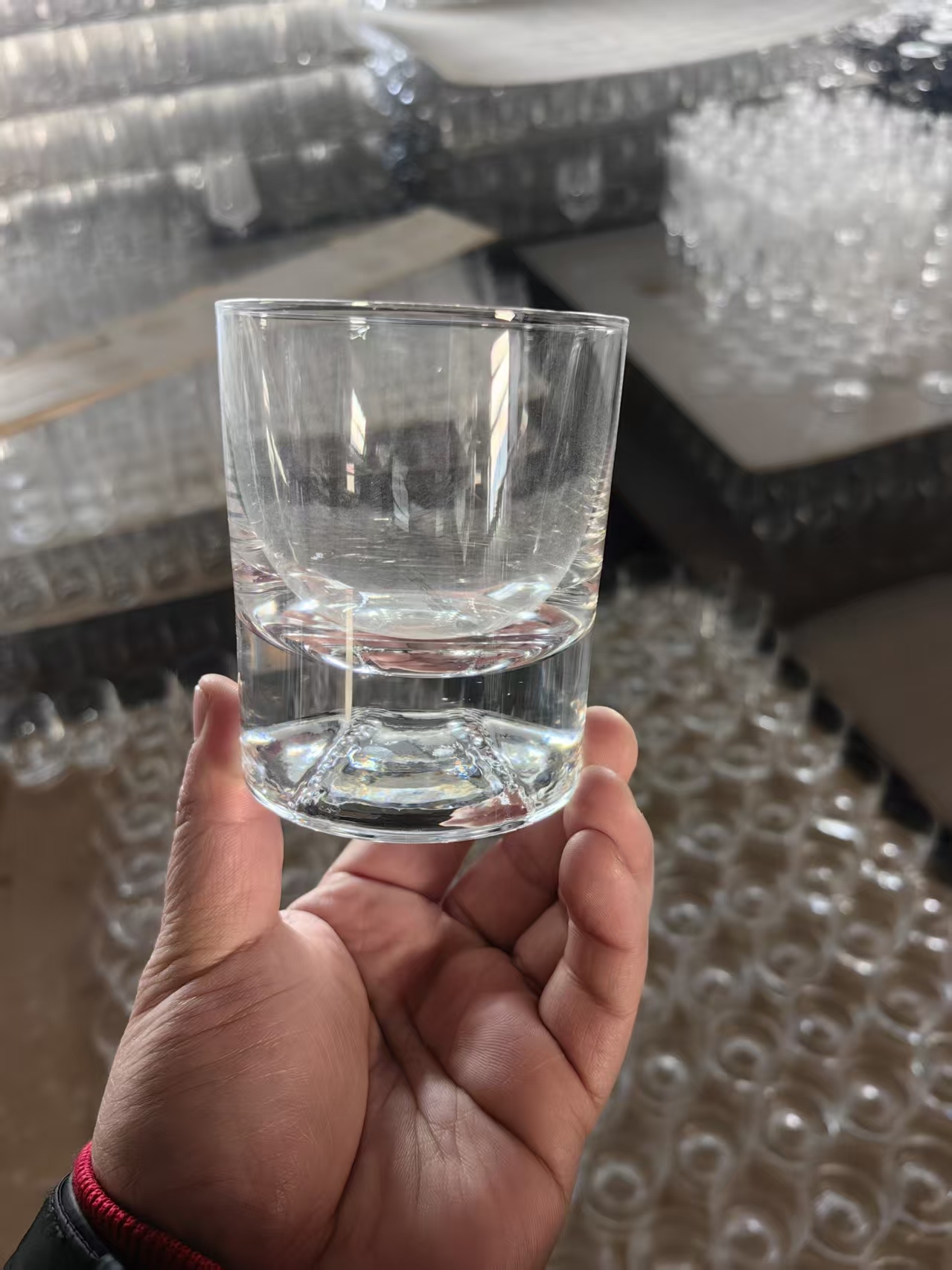
Everything starts as handmade crystal glass — blown and pressed by hand for real clarity and ring. Sizes are produced to customer requirements: send us a sample, a drawing, or just a photo of what you need and we’ll tool it. Common capacities for tumblers and mugs run from 100 ml to 500 ml; stemmed pieces from 150 ml to 350 ml.
Four Surface Finishes
- Electroplated gold (or silver) — full metallic mirror surfaces and rich plated rims.
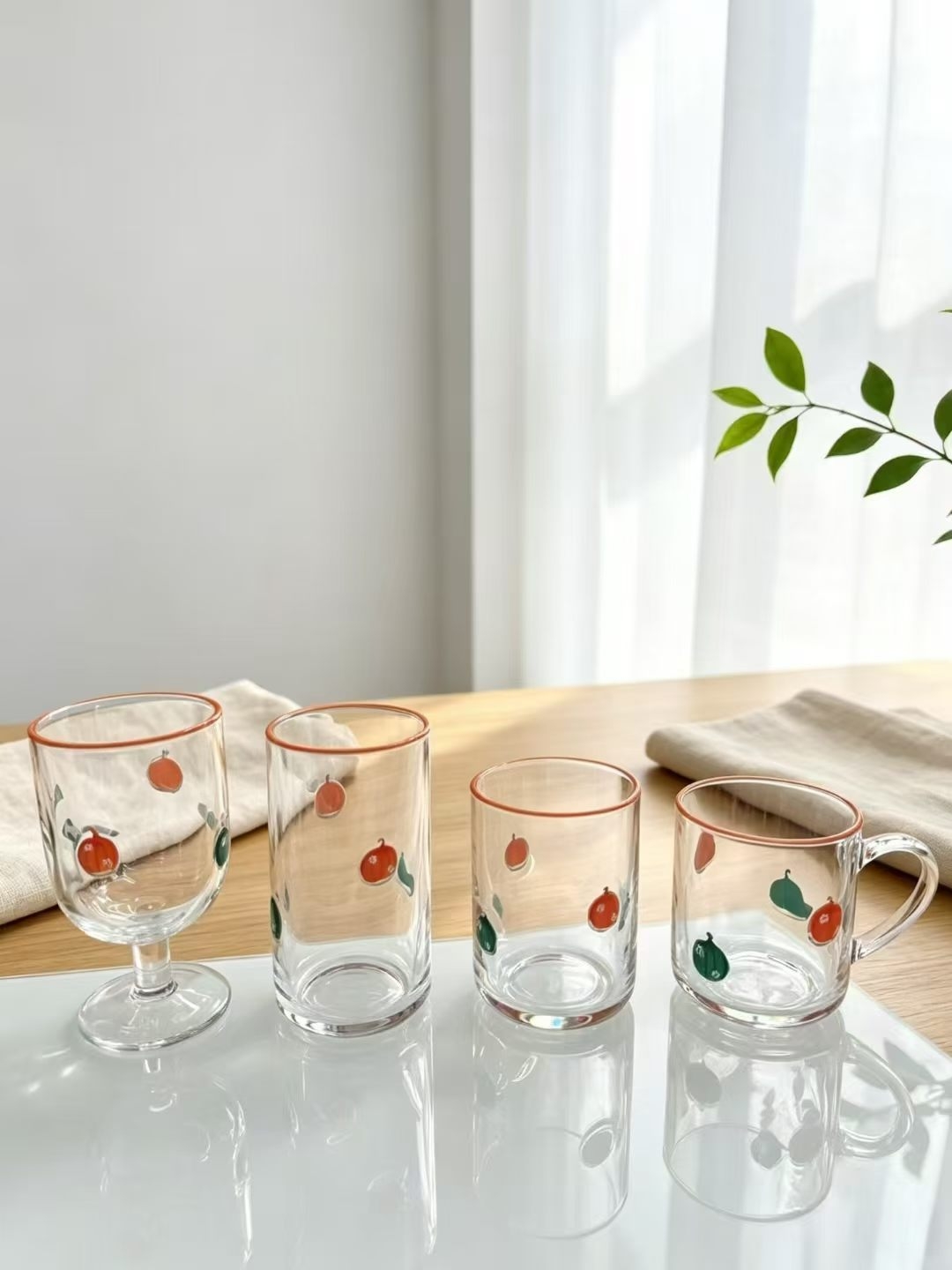
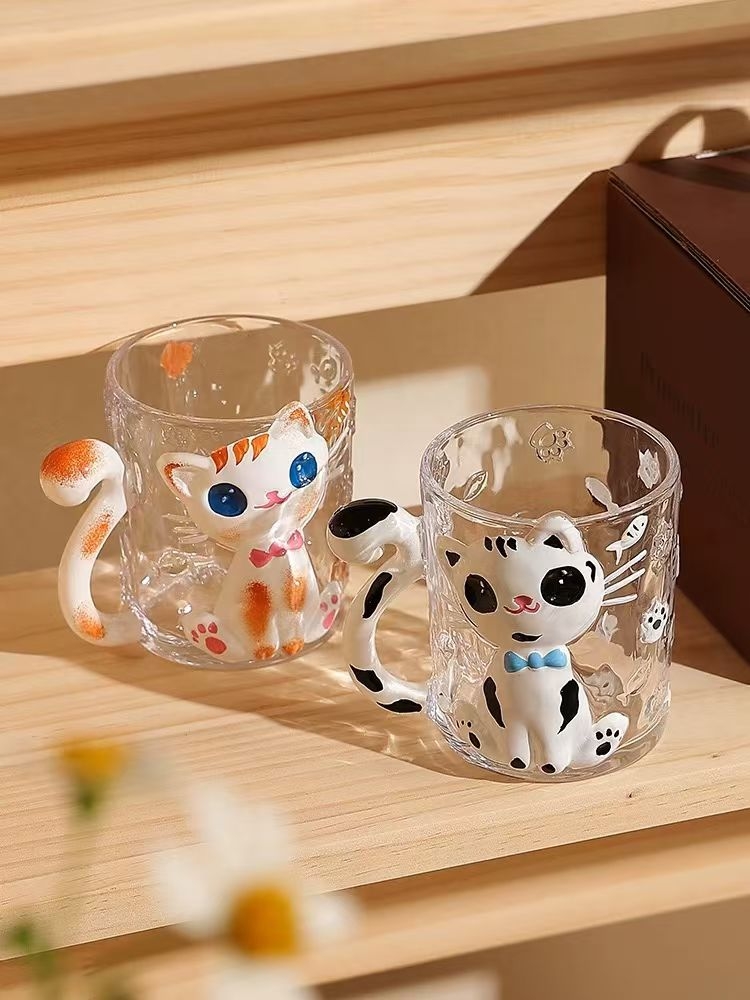
- Decal — fired-on artwork: fruits, florals, logos, characters. Dishwasher-safe options available.
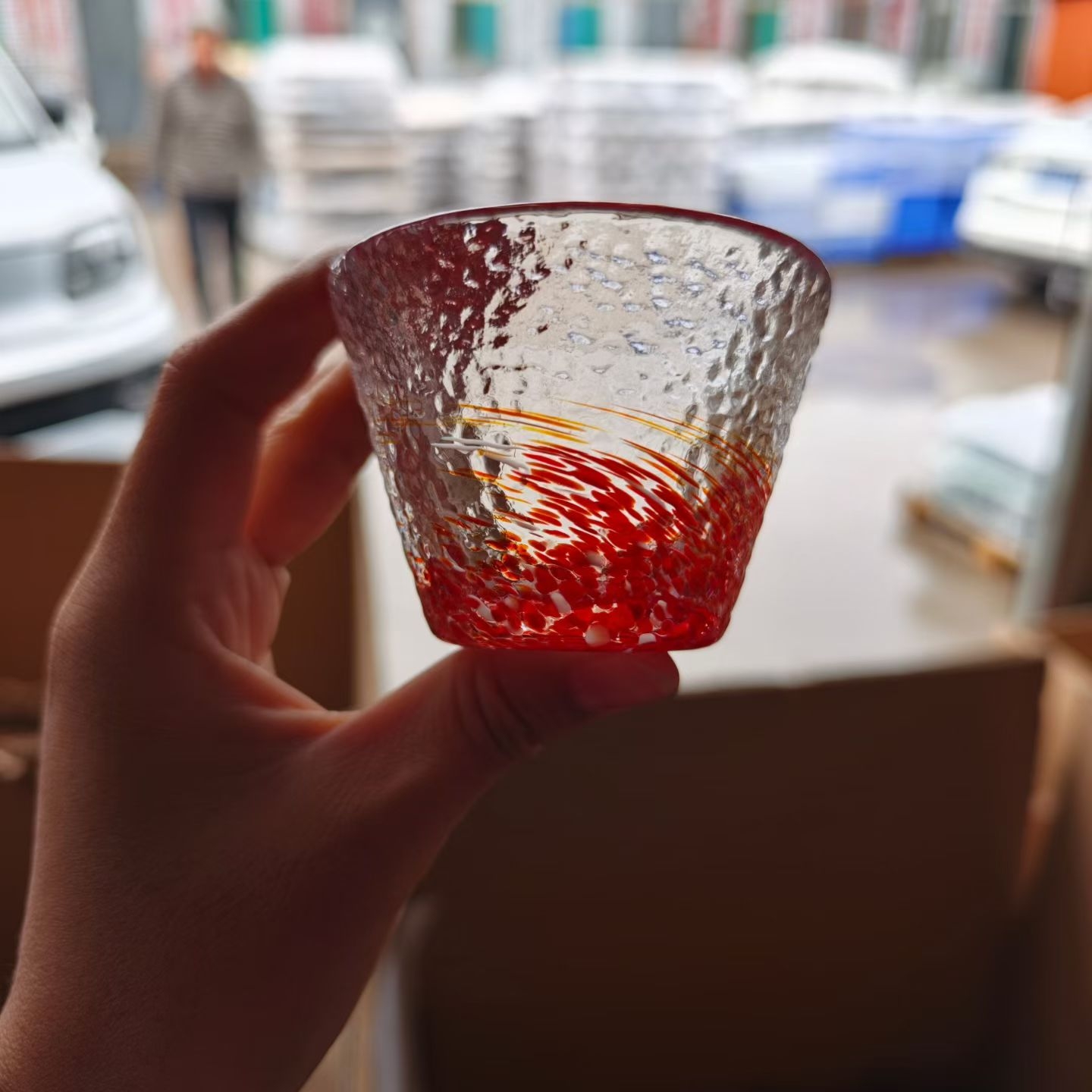
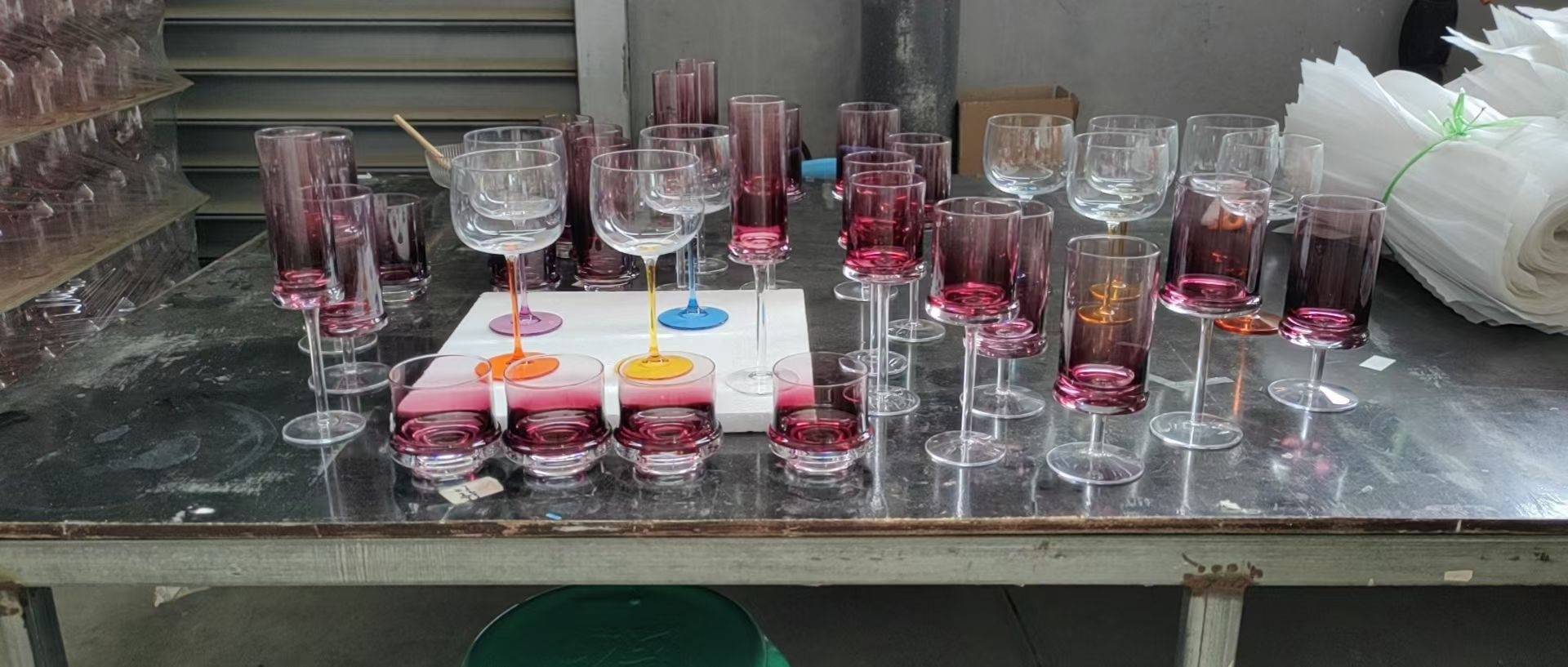
- Spray color — hand-sprayed metallic and gradient coatings, from deep red to iridescent.
- Gold rim — the classic thin precious-metal line on the lip, elegant on any shape.
QC & Packing
Every piece of handmade crystal glass drinkware passes a visual check on the line — no bubbles, no plating gaps, decals aligned. Then standard export packing:
- Bubble wrap — individual wrapping, the default for bulk orders.
- Inner box or foam — retail-ready gift boxes or foam inserts for decorated and plated pieces.
- Outer carton — inner-packed glassware into strong export cartons, palletized for containers. Drop-tested before shipping.
Spec Sheet
| Product | Drinkware (glasses, mugs, tumblers, stemware) |
| Usage | Weddings, hotels, restaurants, home, bars |
| Size | Produced to customer requirements |
| Material | Crystal glass |
| Craft | Handmade |
| Surface finish | Electroplated gold / decal / spray color / gold rim |
| Packing | Bubble wrap, or inner box / foam, into outer carton |
| MOQ | Depends on style and finish — contact us for a quote |
What Makes Crystal Different at the Table
“Crystal” is a clarity claim, not a label trick. Lead-free crystal is blown at higher furnace heat and drawn thinner than soda-lime glass, so a finished champagne flute rim stays under a millimeter while the bowl keeps enough weight to feel deliberate in hand. Guests notice both: bubbles stream cleaner through a thin stem, and a weighted goblet base tips less on a crowded banquet table.
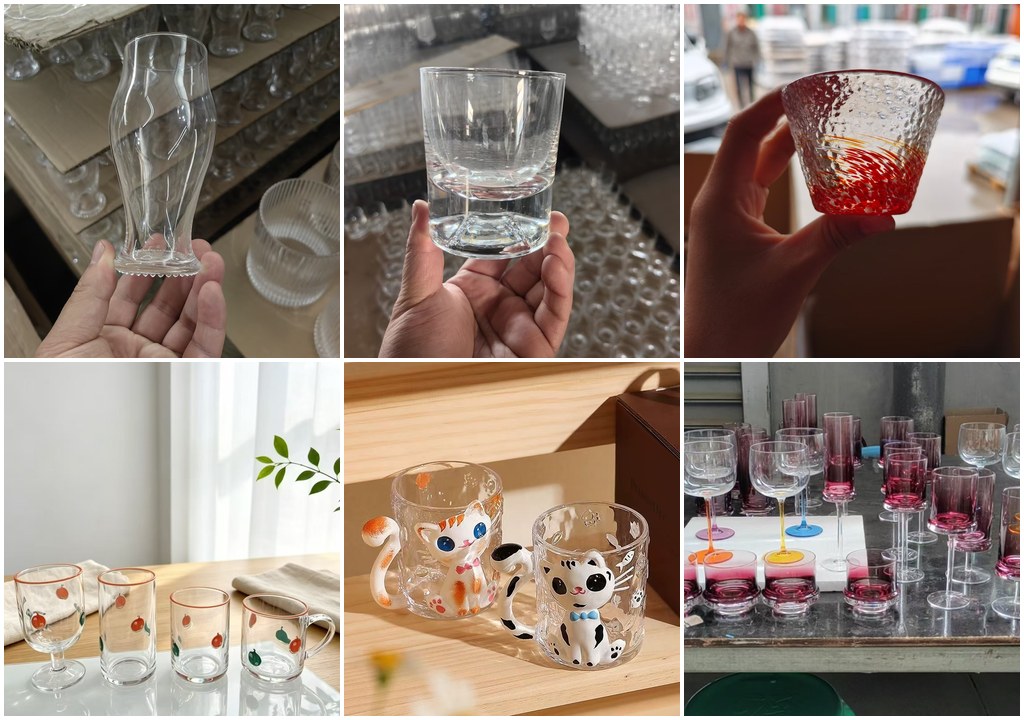
The handmade crystal glass drinkware pieces above show the range our crystal floor runs daily — stemmed flutes with pulled handles, hammered-texture tumblers, decal mugs with applied glass handles. Because blowing, annealing and decoration share one roof, a flute can move to the gold-rim station the same week it comes off the pipe. That is how small custom runs (from about 1,000 pieces per logo design) turn around in weeks rather than the months that press-mold tooling programs take.
Care & Commercial Service Life
Handmade crystal tolerates hotel dishwashing when crews follow two rules: no acidic soak baths near plated rims, and no thermal shock (never move a chilled flute straight into a hot sink). Fired decals and hand-applied metallic rims are kiln-fixed for repeated washing; we recommend hand-washing gold-rimmed stems in high-turn venues and rotating rental stock every season. With normal care, banquet crystal lines last hundreds of cycles — the most common replacement reason we hear from hotels is guest dropage, not glass failure.
Packing Built for Mixed Glass Cabinets
Export packing follows the collection, not the carton: stemware nests in molded foam cells, tumblers and mugs get bubble wrap plus inner boxes, and gift sets ship in color boxes ready for retail shelving. Five-ply export cartons, corner protection, pallet shrink — the same standard whether you order 500 handled beer mugs or a mixed 20-foot of flutes, goblets and decanters. Every batch leaves with packing photos by pallet.
| Customization | Fired decal logo, laser engraving, gold/silver rims, spray color, applied handles |
| Stock vs. custom | Popular crystal shapes stocked; small custom-rimmed runs welcome (from 1,000 pcs/design) |
| Inspection | Hot grading + light-table check (transparency, metal lines, no zinc spots), per batch, by photos |
See the current crystal shapes in the glass drinkware collection, or how our machine-made line pairs with it in the drinkware production lineup report.
Styling Rules We See Work in Banquet Rooms
Gold flatware is the loudest thing on the table — the rest of the setting has to be quiet enough to let it talk. Three combinations we build again and again for rental and banquet clients:
- Gold + white china + ivory linen — the classic gala look; the charger (see our 13″ gold charger plates) frames the white plate so the place setting reads formal even under bad ballroom light.
- Gold + matte black or charcoal stoneware — the high-contrast route for evening events and brand launches; spray-finished glass tumblers in smoke gray keep it coherent.
- Gold mixed with silver — now normal, not a faux pas. The trick is one metal per station, not one metal per piece: chargers and glasses silver, flatware gold, and it reads intentional.
On the buy side: most banquet programs order flatware at 1.5× seat count (venue drops and house-account losses are real), while glassware on the same table runs 1.2×. Keeping both from one factory — the glass drinkware line plus matched finishes — is why event houses consolidate orders instead of chasing three vendors per season.
Why Flatware and Glassware Should Arrive on the Same Pallet
Program buyers consistently tell us the same thing: the cost is not the product, it is the coordination. Matching gold between a fork from one supplier and a charger from another costs a sample round-trip, a shade dispute, and usually a compromise nobody wanted. When flatware finishes, chargers and glasses come from the same decorating benches — same spray booth, same plating bath, same decal kiln — the shade is one number, not three arguments. That is the entire logic of a one-stop glass and tabletop program: one PO, one container, one reorder reference when the fleet grows next season.
How Buyers Actually Spec This Line
Most repeat orders start from three numbers: capacity, stem style, and rim treatment. Red and white wine stems cluster around 12–16 oz, champagne flutes stay slim at 6–8 oz so the bead holds, and tumblers run 10–14 oz for water and cocktails at the same table. Banquet buyers tend to standardize on one bowl shape across wine, water, and champagne so broken pieces can be swapped mid-service; retail and gifting buyers do the opposite and mix heights for display.
Stem versus stemless is a venue question more than a style question. Stemless pieces survive high-turn tables and ship cheaper per cube, while stemmed sets photograph better and justify higher retail pricing. Many of our clients carry both: stemmed for weddings and plated dinners, stemless for bars and resort pools.
Rim options finish the decision. Plain rims read modern, thin gold rims move the handmade crystal glass drinkware piece toward occasion gifting, and cut or engraved decoration works best on lead-free crystal because the material takes detail cleanly. If you are building a first assortment, a six-shape core set covers roughly 90 percent of hospitality demand, and add-on seasonal shapes test demand without a full re-kit.
Sampling, Logo Tooling, and Your First Timeline
Buyers planning a launch season should work the calendar backward. Stock-shape samples ship in under a week from our Qinzhou workshop, which is enough to verify size, weight, and clarity in person before you commit a case quantity. Once the sample is approved, production runs about 25–30 days depending on season and decoration count.
Custom decoration adds a short upfront loop. Decal logos need one tooling pass for color matching, laser engraving needs a vector file, and gift-box programs need to lock artwork, liner, and closure type together before the first case is scheduled. None of these are long, but they are sequential — approval gaps between steps cost more time than any single step.
A practical rhythm that keeps most first-time buyers on schedule: request samples in month one, approve and place the trial case order in month two, and schedule the full production run so goods are ready well before your peak selling window. Wedding and holiday buyers should especially lock holiday gift sets by early summer; December air freight solves nothing that planning could have avoided.
Freight and Reorder Math
Crystal is dense, packed, and fragile — which means landed cost is a packing-and-logistics question as much as a unit-price question. We pack each piece of handmade crystal glass drinkware in individual compartments inside five-ply cartons, and mixed-carton loading lets you buy small quantities across shapes without wasting cube on half-empty cases.
For reorder planning, the useful number is your weekly consumption per venue, not your original order size. Most hospitality clients land their first full order, then reorder single shapes on a rolling basis when a specific SKU starts running short before its peers. Keeping one production slot warm per quarter for top movers prevents the classic failure mode: a banquet venue cancels because the matching glasses were six weeks out.
If you sell seasonally, split the difference the boring way — cover the season up front, then use smaller air-reorder lots only to refill genuine misses. That keeps ocean economics on the bulk of your volume while air rates only ever touch a fraction of a case count.
Gifting Sets: Where Crystal Sells Best
Single pieces of stemware rarely excite retail customers; pairs and fours do. Two-piece wine sets in a magnetic-closure gift box are the workhorse of wedding-favor and housewarming sales, and four-piece sets step up to holidays. Because we manufacture the boxes in-house, matching the glass, the liner, the ribbon, and the outer print to one program is a single conversation instead of three supplier negotiations.
The gifting angle also changes decoration priorities. A logo decal that reads as institutional on a banquet table can read as premium on a box set when it is smaller, better placed, and paired with a clean layout. We reprint the same piece with different decoration specs for hospitality and retail channels all the time — same tooling, different story on the box.
If you are testing crystal in a gift program for the first time, the lowest-risk structure we see work is one shape, two colors, three set sizes, all sharing a single box design with a color-coded label. That keeps inventory simple and display cohesive.
What Is Handmade Crystal Glass Drinkware — and Why Does It Command a Premium?
Handmade crystal glass drinkware is glassware formed while the material is molten: a gatherer blows the bowl on a pipe, helpers shape the stem, and a polisher finishes each piece by hand. Machine-pressed glass, by contrast, is stamped in molds at high speed. The difference shows up in three places a buyer can verify on a sample.
Clarity and brilliance. A hand-blown piece has fewer mold lines and a more even wall, so it refracts light cleanly. In side-by-side tests under retail lighting, our handmade crystal glass drinkware consistently reads “heavier glass” to shoppers even when the weight is identical — perceived quality drives the shelf price, not gram weight.
Stem integrity. Because the stem is pulled and joined by hand, quality control matters more than in pressed glass. Every batch we ship is stem-torque checked to at least 1.4 Nm, roughly double what a bar rack sees in normal service. If a supplier cannot tell you their torque spec, that is your first red flag when sourcing in volume.
Lead-free crystal. Modern stemware is borosilicate- or potash-based lead-free crystal, not the 24% lead glass of the last century. Our crystal glass drinkware is FDA and LFGB food-contact tested; certification is listed in the Specification table on every product page, and test reports can be sent before sample dispatch.
Where It Sells Best
Three channels absorb most of our wholesale volume. Hotels and resorts buy goblet and tumbler sets for banquets and minibar programs. Wedding and events companies rent or resell etched pieces for place settings. Gift packagers bundle small-batch crystal glass drinkware sets into seasonal boxes — this is where our decal logo and gold-rim services earn their keep, because a plain tumbler becomes a branded gift item for a few cents of decoration.
One planning note for gift packagers: the sweet spot for boxed stemware is sets of two or four in a rigid box with a window. Single high-ball glasses under $2 landed cost rarely justify the box; the same pieces sell 40% higher as a four-piece handmade crystal glass drinkware set.
How We QC Crystal Glass Drinkware Before Shipment
Because each piece of handmade crystal glass drinkware is formed by hand, variance is the real enemy — and variance is what a good QC plan controls. Our inspection of every order follows four gates:
- Visual, 100% at the bench. Each piece of handmade crystal glass drinkware passes a light-table check for seeds, bubbles outside spec, and rim chips. Handmade glassware is allowed documented cosmetic ranges; the range is agreed on your approved sample before mass production, so “acceptable” is never a debate after packing.
- Dimensional, AQL 2.5 by lot. Height, capacity-to-fill-line, and rim thickness are measured per lot. For stemware we also check stem perpendicularity, since a tilted stem is the most common defect in pressed-look goblets.
- Torque and thermal shock. Samples per lot get stem-torque and hot-fill/ice-water cycle tests. Lead-free crystal tolerates normal bar use; it does not tolerate boiling oil or dishwashers above 65°C — we print care notes on export cartons so your end buyers learn it from the box, not from breakage claims.
- Packaging drop test. Finished cartons pass a 60 cm drop on all faces before the container is stuffed. Breakage in transit is a packaging defect, not a glass defect, and we treat it that way.
If you audit a factory for handmade crystal glass drinkware anywhere, ask for these four records — a real producer has them for every lot; a trader with a brokered order will not.
Tell Us What You Need
Custom sizes, your logo as a decal, a color matched to your brand — this is what our workshop does every day. Send a reference photo or drawing with your quantity and packing choice, and we’ll come back with a quote and samples plan.
Wholesale FAQ: Handmade Crystal Glass Drinkware
Is it lead-free? Our handmade crystal glass drinkware is lead-free crystal, polished for ring and clarity.
What is the MOQ? Custom handmade crystal glass drinkware runs 1,000 pieces per design; stocked shapes ship by the carton.
Does it suit hotels? Yes — handmade crystal glass drinkware holds sparkle through commercial dishwasher cycles better than soda-lime glass.
Can it be plated? Gold rim and full electroplating are both common on handmade crystal glass drinkware for wedding programs.
One thought on “Handmade Crystal Glass Drinkware: 8 Proven Wholesale Tips”